Physical Address
304 North Cardinal St.
Dorchester Center, MA 02124
Physical Address
304 North Cardinal St.
Dorchester Center, MA 02124

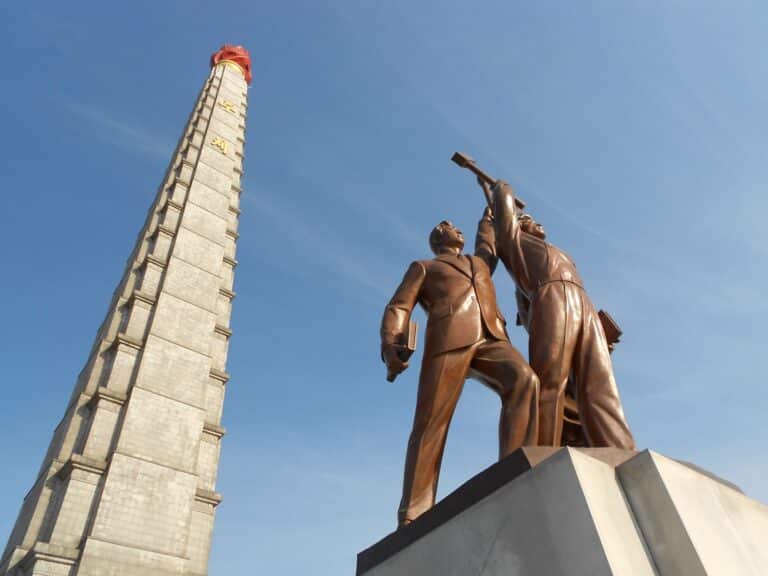
Xi Jinping's June 2019 visit to North Korea after a seven-year gap signaled China's strategic reassertion on the Korean Peninsula, demonstrating Beijing's determination to remain central to peninsula diplomacy and regional security calculations amid U.S.-China competition.
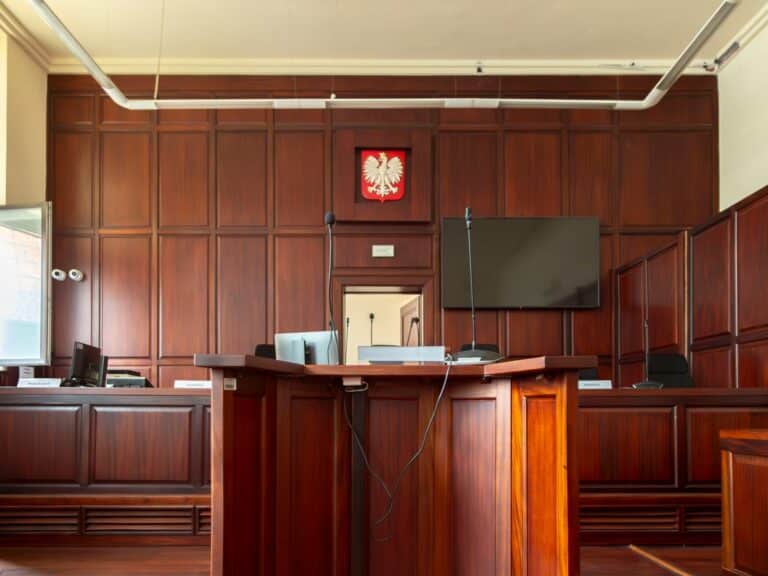
Six Dushanbe police officers face prosecution over Maksudjon Saidov's custody death, marking a rare accountability case in Tajikistan. However, the absence of torture charges reveals significant limitations in Central Asian legal frameworks for addressing systemic detention abuses.
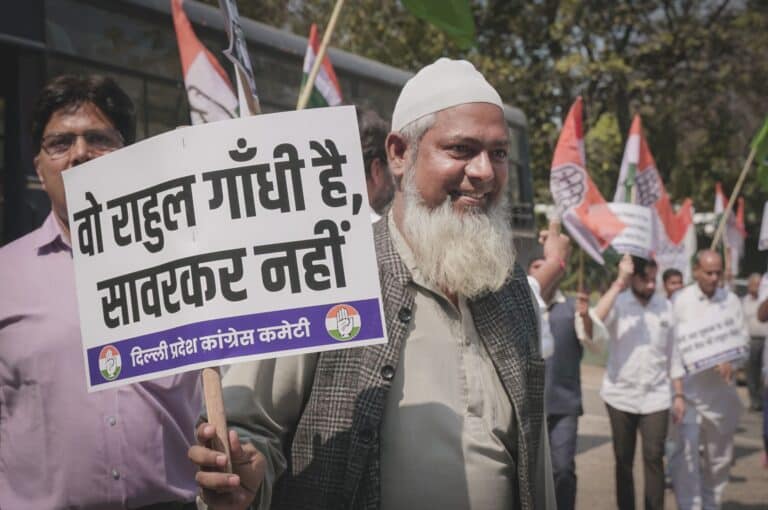
India's Gen Z political mobilisation, exemplified by the Cockroach Janta movement's June 6 Jantar Mantar protest, signals emerging challenges to the Modi government's political control and raises questions about India's democratic trajectory and regional stability.
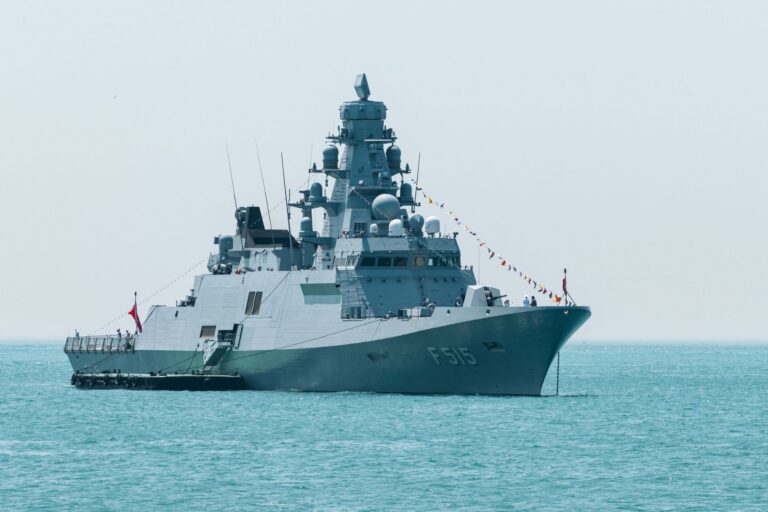
Japan and South Korea have resumed their bilateral search and rescue exercise after nine years, signalling pragmatic military cooperation despite unresolved historical tensions. The SAREX revival reflects shifting regional security imperatives as both nations face intensifying threats from North Korea and China.
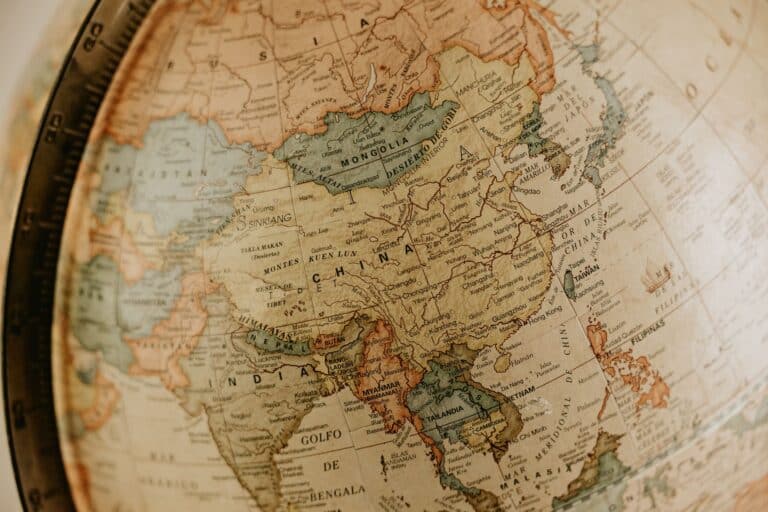
US-China rivalry threatens to become the sole organizing principle of international politics, subordinating all policy domains to geopolitical competition. For Indo-Pacific states, this creates acute constraints on policy autonomy and institutional capacity precisely when multilateral cooperation is most needed.
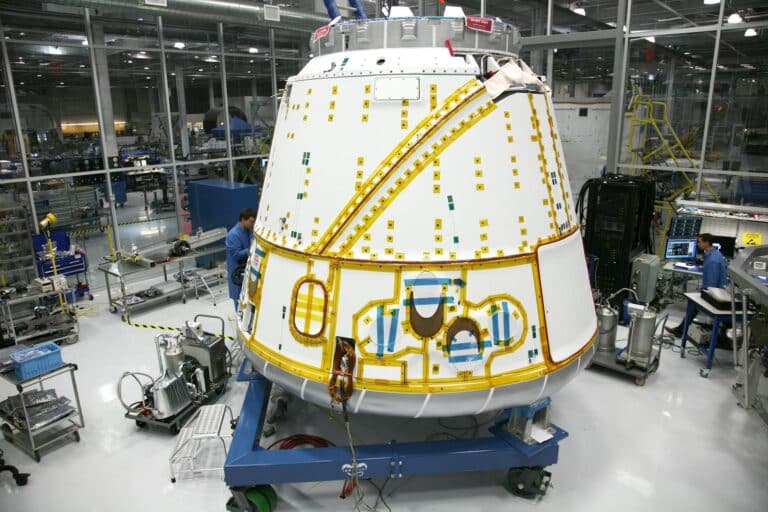
India is strategically nurturing private deep tech startups to transform its space capabilities and reduce reliance on foreign satellite systems. This state-supported commercialisation approach reshapes India's technological sovereignty and regional power dynamics across the Indo-Pacific.
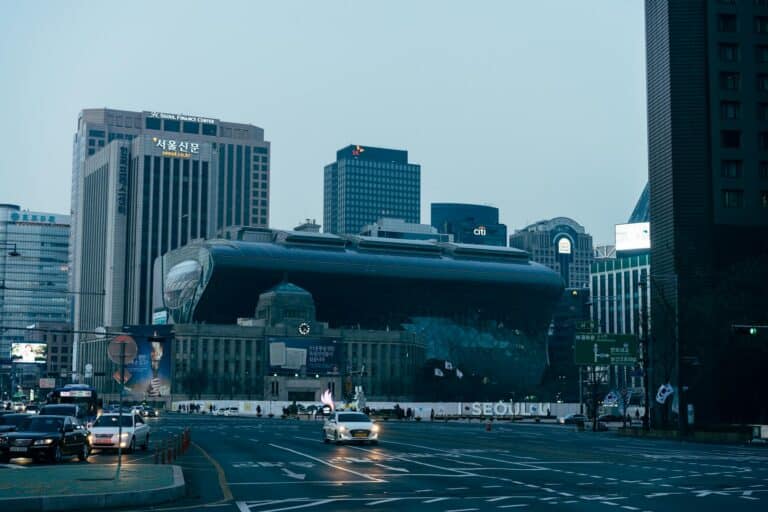
Oh Se-hoon's election to a fifth term as Seoul Mayor reflects voter preference for conservative governance continuity and the People Power Party's institutional dominance in South Korea's capital. The reelection underscores municipal political stability amid broader national polarization.
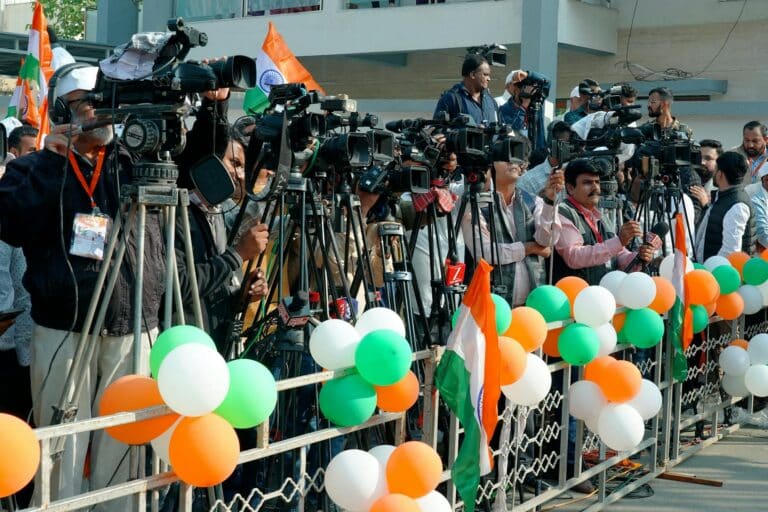
India's declining press freedom ranking reflects systematic pressures on journalistic independence through regulatory weaponization, media ownership concentration, and coordinated harassment. These structural trends threaten democratic accountability mechanisms critical to regional stability.
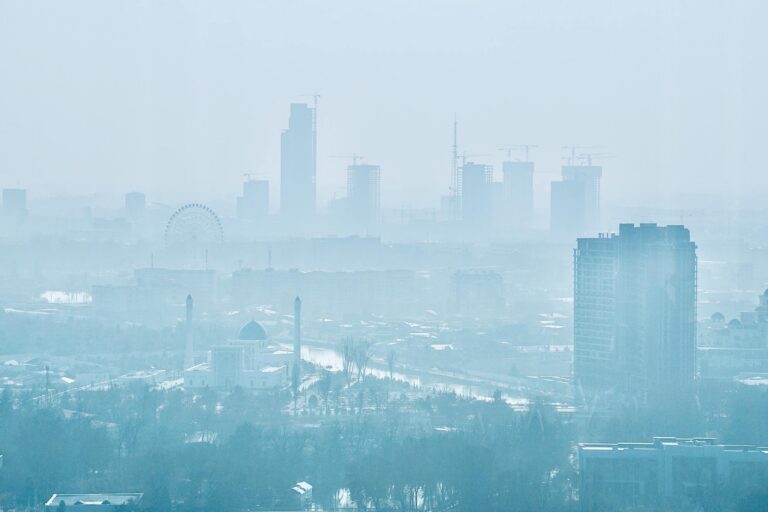
Uzbekistan is pursuing an unexpected strategic pivot away from Russia-dependent labour migration toward the United States, establishing formal bilateral agreements in healthcare, agriculture, and transportation sectors. This initiative reflects both the humanitarian costs of Russian military recruitment and Tashkent's broader effort to diversify institutional relationships beyond post-Soviet frameworks.
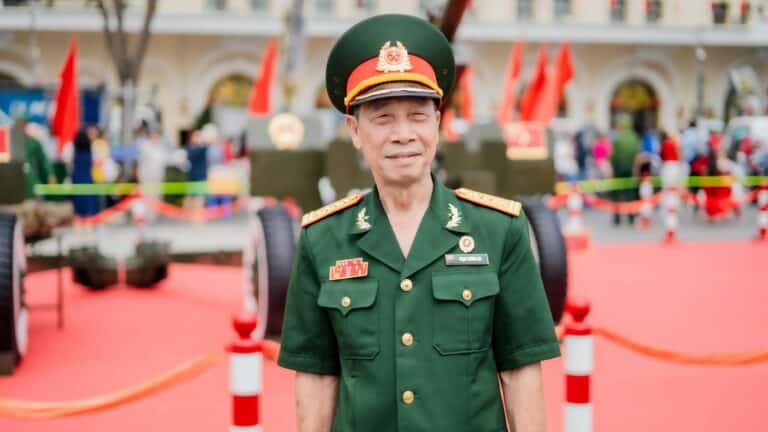
Vietnam has spent 13 years building a sophisticated regional strategy centered on nontraditional security—climate, infrastructure, AI governance—rather than military alignment. Communist Party General Secretary To Lam's 2026 Shangri-La Dialogue keynote signals that this framework has matured into a credible alternative to great power balancing.